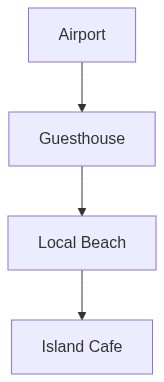
- Stay in guesthouses on local islands for $50-70 per night.
- Use public ferries that cost between $3 to $10 per trip.
- Dine at local cafes where meals are around $5 to $10.
- Visit during off-peak months, like May to October, for lower prices.
- Engage in free or low-cost activities, such as snorkeling or beach hopping.
“Forget the tourist traps. The real magic happens when you get lost in the local markets at 6 AM.”
1. The Allure vs The Reality of the Destination
The Maldives is eternally etched into the minds of travelers dreaming of turquoise waters and bungalows on stilts. These idyllic islands, dotted in the Indian Ocean, evoke thoughts of luxury and exclusivity. Yes, these images hold a touch of truth, but there’s much more beyond the postcard views. The Maldives is not just for the rich and famous, but increasingly a destination where affordable and lavish experiences coincide beautifully. The reality beneath this dreamscape offers budget travelers and jet setters alike a mosaic of cultural depth and environmental mindfulness amid their quintessential splendor.
While the Maldives projects an air of untouchable luxury, the ground reality reveals myriad opportunities for affordable indulgence. Public ferries and locally-run guesthouses allow savvy travelers a richer, more authentic glimpse into Maldivian life without breaking the bank. You can access pristine beaches, vibrant coral reefs, and the warmth of Maldivian culture. While five-star resorts offer secluded luxury, spending leisurely time with locals reveals hidden gems ignored in curated holiday packages. Yes, the Maldives are accessible beyond the high-priced allure for those who wish to explore beneath the surface.
Reality in the Maldives means balancing indulgence with respect to the natural artistry surrounding the islands. This nation has spearheaded eco-friendly initiatives, and engaging with these is part of understanding and respecting their cultural nuances. While enjoying luxury, there is an increasingly popular choice of environment-friendly stays and activities. Travelers are drawn into interactions that respect both traditions and nature, proving there is harmony between indulgence and authenticity. True luxury here is experiencing the islands’ unfiltered beauty and cultural richness—a dual exploration that is rewarding and enlightening.
“The Maldives offers much more than luxury retreats; its cultural and environmental treasures await genuine discovery.” – Travel + Leisure
2. Transportation & Accommodation Deep Dive
Navigating the Maldives doesn’t have to be complicated or expensive. The secret lies in the local transportation system. Public ferries bridge the gap between luxury and budget, providing a reliable and exceedingly scenic method of hopping between islands. These ferries connect various atolls for just a couple of dollars compared to pricey speedboats and seaplanes. For a closer glimpse into local life, consider staying in Malé or Hulhumale before venturing to the faraway shores to relieve some of the expenditure typical of direct transfers to resort islands.
The charming revolution of the Maldivian guesthouse scene is reshaping how accommodation is perceived. Sandwiched among luxurious resorts are quaint guesthouses offering personal touches often absent from vast resorts. Dhigurah and Thoddoo have gained recognition as local islands hosting several welcoming guesthouses that bring luxurious comfort to affordable pricing. Instead of splurging on a resort, discerning guests can afford luxury elsewhere in the form of snorkeling trips, fresh seafood dinners, or spa treatments that are extensions of authentic hospitality rather than plated opulence.
For those who wish to experience the dualities of Maldivian hospitality, consider splitting your stay between a luxurious resort and a guesthouse. By doing so, you indulge both your desire for tranquility and cultural exploration. The guesthouses do not just offer affordability; they are a gateway to authenticity in the Maldives. Engage with locally driven experiences that resorts may not offer. These include fishing trips with villagers or guided eco-tours of coral restoration efforts. Budget travelers who embrace this balance allow themselves a genuine understanding of why Maldives is a cradle of stunning beauty and warm-hearted entertainment.
“Exploring the Maldives on local terms opens up rewarding regional experiences often unseen behind the luxury veil.” – Condé Nast Traveler
3. Hidden Local Spots & Culinary Secrets
Hidden away from commercialized tourism are Maldives’ authentic local spots that pulsate with vibrancy and tradition. On inhabited islands like Maafushi, the narrower streets host authentic souvenir shops and eateries like Café del Mar that serve both locals and tourists with authentic fish curry, roshi (unleavened flatbread), and banbukeyo boakibaa (a traditional breadfruit-based snack). Dining here is far more than a meal—it’s an introduction to centuries of Maldivian history through food. The modesty of these island spots does not detract from the quality of experience, ultimately offering unparalleled tales of culinary discovery.
While resorts glam up eating experiences with imported delicacies, local island eateries rely on the freshest island-grown or caught ingredients, preserving the real Maldivian flavor. Experience Maldives’ lesser-known taste scenes in islands such as Hanimaadhoo or Thinadhoo, where small family-owned restaurants are honing recipes passed down over generations. From fiery curries to tantalizing street snacks, every meal is a journey through culture and spice. Locally brewed raa, a milk sap from palm trees, is a delicacy that should not be missed, providing a taste of the archipelago’s diverse culinary bounty.
True culinary luxury here means exploring without prejudice, appreciating the refined traditions that inhabit these hidden spots. The choice of cuisine goes beyond the table, as it becomes vital for travelers to participate in cooking classes, sanctioned by locals eager to share their skills and legacies with the world. Affordable luxury is recognizing and experiencing the depth of culture one palate at a time. Holistic indulgence comes not just from tasting but understanding the source, processes, and passion poured into every local preparation, stewing far beyond the high seas.
4. Brutal Survival Guide: Visas, Scams, and Budgets
When venturing into the Maldives, keep visas uncomplicated. Citizens from most countries receive a free 30-day visa on arrival, requiring merely an onward ticket and a confirmed booking for accommodations. Yet, in this paradise, maintaining vigilance against potential scams is crucial. Be aware of transit assistance offered by agents at inflated prices—public ferries are notably cheaper and just as reliable. Engage only with operators and places recommended by reviews or from trusted travel advisories to protect both your wallet and experience from unnecessary mishaps.
Crafting a budget-friendly itinerary involves conscientious planning. Daily expenditures can be surprisingly low when staying on local islands and patronizing small businesses. Expect to spend approximately $100-150 per day when staying in guesthouses or even less if opting for budget choices and enjoying local fare. Contrarily, resorts command handsome charges for their seclusion and exclusive amenities. Always double-check inclusions in your package to avoid yielding to unexpected service fees. Leveraging offers through regional booking websites or during tourism’s off-peak seasons brings smart financial balance to satisfying wanderlust.
Being an informed traveler means knowing where and why you spend; in paradise, there is transparency on both sides of the coin. Effective budget management and knowing the cultural dos and don’ts enhance your travel with respect and awareness. The Maldives might seem daunting in financial expectations, but wise planning allows for sweeping savings, ample learning, and full enjoyment without the urge to splurge unnecessarily. Discovering its understated luxury in economy constitutes a different facet of travel that ensures meaningful and inspiring tales to share.
| Category | Budget | Standard | Luxury |
|---|---|---|---|
| Daily Cost | $150 – $300 | $300 – $600 | $600 – $1500 |
| Accommodation Type | Guesthouses on Local Islands | 3-4 Star Beach Resorts | 5 Star Private Island Resorts |
| Transport | Public Ferries | Speedboat Transfers | Seaplane Transfers |
| Dining Experience | Local Cafés | Resort Restaurants | Gourmet Fine Dining |
| Activities | Local Tours & Snorkeling | Excursion Packages | Private Charters & Spa Experiences |
| Environment | Local Culture Immersion | Balance of Relaxation & Activity | Exclusive & Private Atmosphere |
Local Expert: Don’t forget about the food! Mainland Maldives features a vibrant food scene. Local eateries, or ‘hotaa’, serve delicious, spicy fish curries and ‘mas huni’ (a breakfast dish of tuna, coconut, and chili) that will tantalize your taste buds without the hefty price tag of resort dining. Moreover, there’s so much to learn from the local culture, especially by participating in crafts workshops or attending island festivals that come alive with drum beats and dance.
Budget Backpacker: And when it comes to activities, snorkeling around house reefs or joining group excursions to explore nearby atolls can be surprisingly affordable—and often more genuine than high-end private tours. Just be mindful of marine conservation efforts to keep these waters vibrant for years to come.
Final Travel Directive: PACK your bags with lightweight, breathable clothing and a spirit of adventure. Skip the pricey resorts and BOOK a stay on a local island like Maafushi for an immersive experience. Savor the authentic Maldivian culture, food, and natural beauty. Connect with locals for insider tips on the best snorkel spots, and utilize public ferries to travel between islands. By embracing the local way of life, you create a memorable, luxurious trip without high costs.”