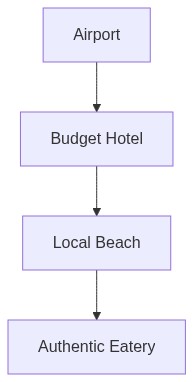
- Stay in guesthouses on local islands for as low as $50 per night.
- Use local ferry services which start at $2 per trip.
- Dine at local cafes, known as ‘hotaa’, where meals cost around $5.
- Snorkeling trips offered by guesthouses can be as low as $20.
- Visit during the off-peak season (May to October) for better deals.
- Try beach camping with permits for an authentic experience.
- Purchase SIM cards for cheap internet access, approximately $20.
“Forget the tourist traps. The real magic happens when you get lost in the local markets at 6 AM.”
1. The Allure vs The Reality of the Destination
The Maldives, an archipelago within the Indian Ocean, is synonymous with paradisiacal beauty, where azure waters lap onto soft, white sands under a tantalizing golden sun. Widely depicted as a luxury retreat for honeymooners and celebrities, the allure is undeniable. The sheer beauty of its overwater bungalows and private villas attracts travelers yearning for exclusivity and tranquility. However, the reality for potential visitors is the misperception that the Maldives can only cater to those with deep pockets. While luxurious accommodations dominate brochures, affordable alternatives are emerging with local guesthouses and budget resorts offering quality experiences without breaking the bank.
Despite its image as an expensive luxury destination, the Maldives harbors secrets that welcome budget-conscious travelers. Adventurers willing to forgo the ultra-luxurious image will find that local islands like Maafushi and Dhigurah offer authentic experiences with accommodations and excursions at a fraction of luxury resort prices. These islands are gradually evolving to support tourism sustainably, blending rich local culture and comforts that exceed expectations. However, one must adjust expectations, as the Maldives also bears its reality: a reliance on imports that influences costs, potentially leading visitors to rethink their spend-friendly strategy.
A depth often overlooked is the imbalance between tourist luxury and local lifestyle. Despite glamorous resorts, nearby islands house communities thriving through fishing, boat building, and hospitality work. This balanced coexistence reflects the Maldives’ ability to service a high-end market while maintaining a grounded local culture. The allure lies in cultural immersion and environmental beauty, but the reality presents challenges like climate vulnerability and economy dependency on tourism. For those seeking to experience the Maldives beyond surface luxuries, understanding this delicate dynamic enriches one’s travel narrative, shedding light on the sustainability initiatives spearheaded to preserve these idyllic atolls.
2. Transportation & Accommodation Deep Dive
Transportation in the Maldives is unique and an integral part of the travel experience itself. Visitors typically fly into Malé International Airport, the central axis for smaller domestic flights, sea planes, and ferries that bridge the 1,000+ islands. For budget travelers, public ferries present an economical option, connecting various inhabited islands at the cost of a dinner back home, albeit with a longer travel time compared to speedboats or flights. Unlike the traditional convenience of road transport, your adventure here begins on the water, where each journey offers glimpses of marine beauty.
Accommodation in the Maldives has undergone a pleasant democratization. While luxury overwater bungalows are plentiful, local islands host delightful guesthouses that merge Maldivian architecture with affordable comfort. These guesthouses often run between $50 to $150 per night—a stark contrast to resort prices. Recently, mid-range hotels have appeared, offering amenities such as air-conditioning, Wi-Fi, and excursions, making them attractive to budget-minded travelers. Welcome to Maafushi or Himmafushi, where such choices allow immersing in the local vibe, dining with locals, and enjoying pristine beaches without the hefty price tag.
Additionally, with the evolving tourism landscape, some budget-friendly resorts encompass “all-inclusive” packages. Places like Reethi Faru and Sun Island Resort offer competitive rates and include meals, transfers, and some activities—an attractive value proposition. Essential to note, however, is booking in advance, as these spots tend to fill up quickly, especially during peak seasons from December to April. Flexibility can secure the best deals: opting to stay on less-known islands ensures savings while sacrificing none of the azure beauty the Maldives promises.
3. Hidden Local Spots & Culinary Secrets
Venturing beyond the postcard resorts, the Maldives offers hidden gems that deserve exploration. Visit Fulidhoo, a small gem known for its intimate beach and atmospheric local vibe. Famed for traditional ‘Boduberu’ drumming performances, this island is a cultural treasury. On the culinary front, relish ‘Hedhikaa,’ sample crispy fish cakes, and sweet coconut-filled ‘Kulumaa’ pasties, best enjoyed at a humble local café overlooking the sunset-streaked sky. Such experiences reveal an unadulterated slice of Maldivian life away from tourist gloss.
In the gastronomic realm, the Maldives will surprise you with its flavorful medleys. Maldivian cuisine is a savory tapestry woven from the bounty of the ocean and the richness of native spices. The Maldives’ signature dish, ‘Mas Huni,’ comprises freshly grated coconut mixed with smoked tuna, onions, and chili, served with freshly baked ‘Roshi.’ Numerous local eateries offer this breakfast staple, priced modestly to encourage visitors to taste its authentic flavor. Beyond typical dishes, fish markets—particularly the vibrant Malé Fish Market—immerse you in the local economy where bartering for the freshest catches offers insight into native livelihood.
Beyond dining, the local islands harbor untouched reefs, perfect for snorkeling and diving. Unlike commercialized spots, these hidden locales, such as those near Dhiffushi, provide thriving coral ecosystems brimming with marine life. Visit during ebbing tides when the waters lay calm, revealing an underwater panorama only a whisper away from the shore. Local scuba operators provide inexpensive guided tours underpinning a commitment to sustainable tourism practices. These islands envision conserving cultural heritage and natural beauty by encouraging eco-tourism initiatives and safeguarding their marine environments—creating meaningful and responsible travel opportunities.
4. Brutal Survival Guide: Visas, Scams, and Budgets
Navigating the practicalities of a Maldivian adventure ensures a smoother experience. Visas are straightforward; a free 30-day visa on arrival is available to all visitors given a return flight ticket confirmation and proof of accommodation. Easy as it may sound, avoid overstaying as penalties can be steep. It’s prudent to have accommodations pre-booked as proof—a particular stipulation of entry. Research is your ally for learning cultural nuances, from dressing modestly on local islands to understanding Maldivian rufiyaa, the local currency, though USD is widely accepted.
Scams are infrequent in this island nation; however, travelers should exercise caution. Average precautions like watching valuable belongings, particularly at busy beach spots, ensure peace of mind. Grocery and souvenir prices can fluctuate based on seasonality, leading to higher than expected tourist-centric pricing. Opt to shop in local establishments where bargaining isn’t frowned upon. Another consideration is transport; always agree on boat fees prior to boarding, and verify prices with locals to guard against unexpected surcharges that may mar your experience.
Budgets, although subjective, sketch a more accessible Maldives for savvy travelers. On local islands, allocate approximately $100-$150 per day for comfortable lodging, meals, and activities. Savings lie in public ferry travel or shared speedboat transfers. For a taste of authentic Maldives, adhere to local eateries serving ‘Bai’, traditional meals that cost significantly less than resort offerings. With broader accommodations now accessible, the dream of experiencing this island haven within a modest budget is a reality, achievable with planning and an understanding of local hospitality nuances. After all, the Maldives, with its natural allure and genuine community feel, aligns perfectly for those mindful of their spending without foregoing sublime experiences.
“Local islands now compete in terms of experience without the high price tag, granting more travelers access to the Maldivian dream.” – Travel and Leisure
“Sustainable travel in the Maldives reveals facets inaccessible to those confined within resort boundaries.” – National Geographic
| Features | Budget | Standard | Luxury |
|---|---|---|---|
| Daily Cost | $100 – $200 | $200 – $500 | $500+ |
| Accommodation Type | Guesthouses, Local B&Bs | 3-4 Star Resorts, Boutique Hotels | 5 Star Overwater Villas |
| Transport | Local Ferries, Public Speedboats | Resort Transfers, Speedboats | Private Seaplane Transfers |
| Dining | Local Cafés, Street Food | Resort Restaurants, Multi-cuisine Dining | Private Dining, Gourmet Experiences |
| Activities | Snorkeling, Community Tours | Scuba Diving, Excursions | Private Yacht Trips, Spa Treatments |
| Cultural Interaction | High, Local Experiences | Moderate, Guided Tours | Low, Exclusive Environments |
Budget Backpacker: While that’s great for culture, the real charm for budget travelers is in exploring the uninhabited islands and pristine beaches. You can spend your days snorkeling in clear lagoons and evenings enjoying local fish barbecues, all on a tight budget. The trick is to eat where the locals eat. Street food like Masroshi or Fihunu Mas are inexpensive and delicious. For transportation, instead of costly speedboats or private transfers, take the local ferries. They are not just budget-friendly, often costing a few dollars, but also give you a glimpse into everyday Maldivian life. Hostels and dormitories offer beds for as low as 20 USD a night if you prefer to stretch your dollar.
PACK your bags for an adventure that combines luxury with local experiences. Prioritize staying on local islands over resorts to dive deeper into the culture without draining your budget. Book a few nights in family-run guesthouses on islands like Maafushi for an authentic taste of Maldivian life. Then, join a public ferry journey to discover lesser-known islands brimming with natural beauty. Fill your days with locally-led snorkeling tours, and indulge in street food like Masroshi to keep your dining both delicious and affordable. Embrace the modest yet enchanting side of the Maldives, allowing every dollar to take you further into its heart.”