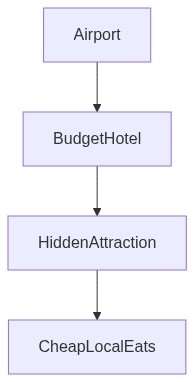
- Stay in budget-friendly hostels or capsule hotels costing $20-$25 per night.
- Use the Seishun 18 Rail Pass for unlimited train travel for just around $12 per day.
- Visit free attractions like temples, shrines, and parks in major cities.
- Indulge in delicious and affordable meals like ramen, udon, or conveyor belt sushi, costing around $5 to $10.
- Explore hidden gems such as Nakano Broadway in Tokyo for a unique experience without breaking the bank.
- Take advantage of convenience stores for affordable, tasty snacks and meals.
- Connect with locals for insider tips and recommendations on free cultural experiences.
“I walked 20,000 steps trying to find this hidden alleyway restaurant, and it was worth every single blister.”
1. The Allure vs The Reality of the Destination
There’s a long-standing allure to Japan that draws travelers from all over the world with promises of futuristic cities juxtaposed with ancient traditions. The neon-lit streets of Tokyo, the serene temples of Kyoto, and the pristine landscapes of Hokkaido create an irresistible charm. However, the reality often hits when budgeting for this fascinating destination. Many believe Japan is synonymous with high costs, yet seasoned travelers uncover a different narrative. With meticulous planning and embracing local experiences, Japan can be experienced without breaking the bank.
Understanding Japan’s unique cultural codes can make a significant difference. Respect for traditions and social harmony are paramount, so travelers should observe local customs such as removing shoes before entering homes and maintaining decorum in public spaces. These practices not only reflect an appreciation for Japanese culture but also enhance travel experiences by avoiding cultural faux pas. For instance, shopping in independent, family-owned stores can reveal the human side of Japan, offering insights into local lifestyles far from the bustling tourist traps.
Spending $50 a day in Japan may seem daunting, but with the right approach, it becomes an enriching adventure. The key is to blend seamlessly into the local culture. This involves eating where the locals eat, staying in budget accommodations like capsule hotels or hostels, and leveraging transportation options that locals use daily. The challenge morphs into a treasure hunt, unveiling authentic experiences that the ordinary tourist might overlook. The financial constraint paradoxically enriches the journey, pushing travelers to explore beyond the well-trodden paths.
2. Transportation & Accommodation Deep Dive
Traveling affordably in Japan is greatly facilitated by its exceptional transportation system. The Japan Rail Pass offers substantial savings for intercity travel, but if your itinerary is confined to a particular region, regional passes like the Kansai Thru Pass or Tokyo Subway Ticket are more economical. For daily commutes within Tokyo, the Suica or Pasmo prepaid cards eliminate the hassle of buying tickets each time, plus they offer discounts for frequent travelers. Night buses, although a time-consuming option, are another budget-friendly choice for longer distances, saving money on both travel and overnight accommodations.
Accommodations can easily tip the scale on a budget trip, yet Japan surprises with its array of affordable options. Capsule hotels, originally designed for salarymen, offer a unique housing experience that is both budget-friendly and quintessentially Japanese. Bookings through sites like Agoda or Rakuten Travel can reveal hidden deals on traditional ryokans or guesthouses. These stays often include meals, giving travelers a chance to savor homemade Japanese cuisine. Another compelling option is the growing Airbnb market, which provides a cultural immersion into local neighborhoods.
For those keen on diving deeper into local life, consider staying in a “minpaku” (private residence offering lodging). It’s an excellent way to connect with locals and is often more affordable than hotel stays. Despite having basic amenities, these accommodations offer valuable interactions with hosts who can provide insider tips. As you navigate these cost-effective lodging choices, consider travel insurance that caters to semi-long stays to cover unexpected incidents, ensuring peace of mind during your budget adventure.
3. Hidden Local Spots & Culinary Secrets
To truly appreciate Japan on a shoestring budget, delve into its hidden local spots that often escape mainstream tourist maps. Take a stroll through the Yanaka district in Tokyo, a historic neighborhood offering a glimpse into the Edo period with its narrow lanes, old houses, and family-run craft stores. It’s here that you find the true soul of the city, unvarnished and genuine. Similarly, visiting the ancient Naramachi area of Nara provides another facet of Japan, with its preserved townhouses and tranquil atmosphere reminiscent of bygone days.
Japanese cuisine offers much to the frugal traveler who dares to venture beyond sushi and tempura. ‘Conveyor belt’ sushi bars and izakayas (Japanese-style pubs) offer meals at a fraction of the cost of more upscale establishments. “Dontonbori” in Osaka is a lively street for street food enthusiasts, featuring iconic dishes like takoyaki and okonomiyaki sold at reasonable prices. For those seeking a truly local experience, explore the lesser-known depachika (department store basements), where you can pick up gourmet treats and bento boxes at end-of-day discounts.
Additionally, the time-honored tradition of “tachigui” or standing dining offers a unique and budget-friendly dining experience. These standing bars, often found near train stations, serve everything from noodles to skewered meats, catering primarily to local commuters. Not only are the dishes easy on the wallet, but they also allow travelers to engage with local office workers, contributing to a genuine cultural exchange. As you savor these flavorful encounters, remember that food is a gateway to understanding Japan’s regional diversity and the simplicity that underscores its culinary genius.
“For anyone backpacking Japan on a budget, eating at local markets and staying in budget-friendly accommodations is the way to go.” – Nomadic Matt
4. Brutal Survival Guide: Visas, Scams, and Budgets
Navigating the bureaucracy of visas is often a necessary step for travelers. Many nationalities can enter Japan de facto visa-free for short stays, but it’s crucial to check the latest travel advisories for any policy changes. On arrival, ensure you have your hotel information readily available, as immigration officers may request it. Despite its fast-paced nature, Japan remains one of the safest countries to travel, with low crime rates. However, travelers should still exercise caution to avoid petty scams, such as inflated taxi fares for unsuspecting tourists in major cities.
Budgeting in Japan involves more than counting coins; it requires an understanding of value. Opt for ATMs within konbini (convenience stores) like 7-Eleven or Lawson to withdraw cash at lower fees. These establishments are ubiquitous and offer surprisingly affordable merchandise from snacks to basic toiletries. For longer stays, purchasing a local SIM card or a pocket Wi-Fi can significantly cut down on expensive roaming charges while keeping you connected. Public libraries and some cafes offer free Wi-Fi, an excellent tip while deciphering the labyrinthine streets.
Those accustomed to Western haggling practices should note that it holds no place in Japan’s market etiquette. Prices are typically non-negotiable, so expect to pay what’s labeled. However, travelers can find substantial savings through seasonal sales and “Happy Bag” promotions, known locally as “Fukubukuro,” which offer mystery assortments of goods at discounted prices. Lastly, observe travel advisories from reliable sources, which provide current updates on safety and local customs, enriching your travel experience while safeguarding against potential pitfalls.
“Japan’s efficient transport networks and varied accommodation options make it entirely feasible to explore the country on a budget.” – Lonely Planet
| Category | Budget | Standard | Luxury |
|---|---|---|---|
| Daily Cost | $50 | $150 | $400 |
| Accommodation Type | Hostel Dormitory | Business Hotel | Luxury Ryokan |
| Transport | Local Bus and Trains | Japan Rail Pass | Private Chauffeur |
| Food | Convenience Store Meals | Casual Restaurants | Fine Dining |
| Sightseeing | Free Attractions | Guided Tours | Private Experiences |
| Souvenirs | Key Chains | Local Crafts | Art Pieces |
| Travel Insurance | Basic Coverage | Standard Coverage | Comprehensive Coverage |